
Text about golf and golflink


This Washing Machine Cleaner Really Works
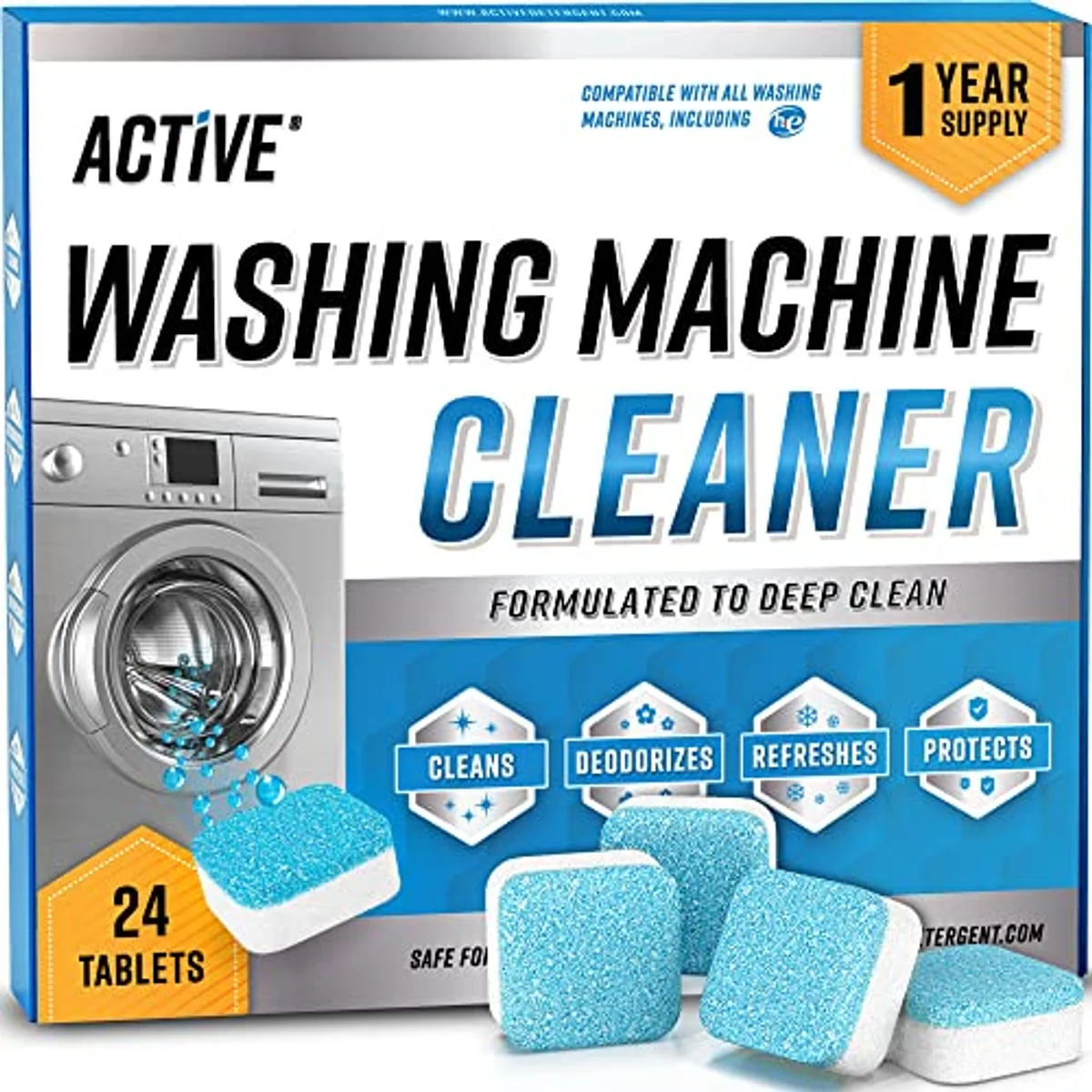
We have one of those front load washers which annoyingly smells like mildew if you don't clean it. The most effective thing I've found to really kill the smell are these Active washing machine cleaner tablets. All you have to do is run a cycle with just the tablet and it'll clean the drum, pump, valve, and filter in one step. These work with basically all high-efficiency and standard washers.
If you think graphite iron shafts are only for slow swingers, then why does one of the fastest tour players in the world, Bryson DeChambeau, use them?
Bryson is meticulous about his equipment, so if he’s gaming graphite iron shafts, there must be a reason. The evolution of graphite shafts may surprise players who think graphite is only for older, slower players.
To separate myth from fact, we asked a club fitting expert to break down the steel vs. graphite iron shaft debate. His insights might change how you think about your iron shafts.
Today’s Graphite Iron Shafts
Graphite shafts have advanced at astronomical speeds over the years. It’s fitting, then, that today’s graphite shaft engineers often take advantage of aerospace-grade fibers that they didn’t have access to in the past.
Sparrer describes the difference between today’s graphite shafts and those from the turn of the century as “night and day,” adding “advances in filament winding, resin systems, and layering let engineers precisely tune stiffness, torque, and bend points.”
In other words, engineers today can create a graphite shaft to very precise specifications, setting the weight, stiffness, bend-point and torque profile exactly where they want them.
That means that golfers can find virtually any profile of iron shaft, from 40g to 130g and X-Stiff to A-Flex, in graphite.
header1 | header 2 | header 3 |
row 1 | row 1(2) | row 1(3) |
row 2 | .... | ... |
| footer test |